The Quiet Art of the Kyoto Ryokan: Timber, Tea, and Cedar Silence
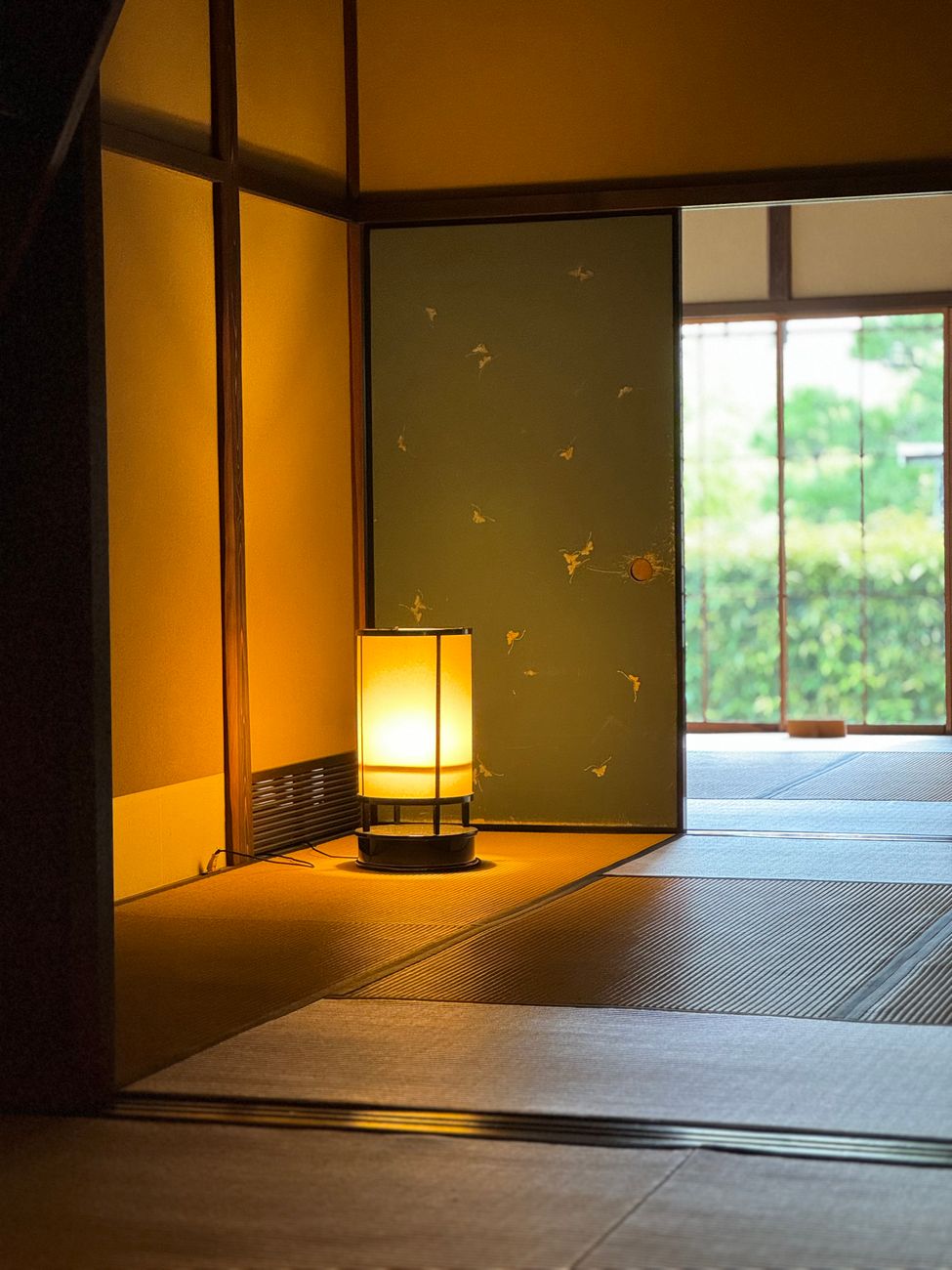
To cross the threshold of a heritage ryokan in the northern hills of Kyoto is to leave the relentless rhythm of the twenty-first century behind and step into a choreography perfected over hundreds of years.
The air smells lightly of aged hinoki cedar, freshly swept tatami straw, and faint incense burned in corner alcoves. There are no heavy keys, no brass elevator chiming, and no neon notifications. Instead, you are greeted by soft white socks sliding across polished dark pine floorboards and the muted sound of water trickling into a stone tsukubai basin outside your sliding shoji screen.
The Philosophy of Sukiya-Zukuri
The architecture of the classical Kyoto inn draws heavily upon sukiya-zukuri, an aesthetic style deeply rooted in the tea ceremony (chado). Unlike imperial palaces designed to intimidate with grand proportions, sukiya architecture prioritizes intimacy, delicate natural materials, and deliberate asymmetry. Slender timber pillars retain their natural bark curves; clay walls are tinged with local earth pigments that soften the daylight; and thresholds are intentionally low, inviting a posture of humility and reverence.
"When the shoji screens are drawn back, the garden does not exist as an outside entity—it becomes the fourth wall of your room."
The Kaiseki Ritual
Dinner in a traditional ryokan is an edible calendar. Served course by course directly in your room by a dedicated nakai-san, kaiseki dining honors the micro-seasons (shun) of Japan. In early autumn, you might find matsutake mushrooms steamed inside delicate ceramic pots, grilled sweetfish from the Oi River, and persimmon dressed in white sesame tofu.
- Seasonal balance between bitter, sweet, savoury, and acid.
- Vessels chosen from antique lacquer and local Bizen or Karatsu stoneware.
- Culmination in seasonal rice steamed over charcoal with seasonal root vegetables.
As evening falls, you slip into a steaming cypress bath drawn with mineral-rich mountain water. The steam carries the resinous fragrance of deep forest wood. Returning to your room, the low lacquer dining table has been replaced by cloud-soft futons spread across the tatami. In the profound silence of Kyoto's temple neighborhoods, sleep arrives without resistance.